
California’s Fire Reality and Your Condo Insurance
Living in a California condo means enjoying a certain lifestyle. Maybe it’s a beach view in Ventura County, a vibrant city scene in San Francisco, or the suburban ease of the Inland Empire. But here’s the thing: that lifestyle comes with a unique set of challenges, especially when fire season rolls around. It’s not just the wildland-urban interface anymore. Fires can happen anywhere, anytime. And if you own a condo, understanding how your insurance protects you from fire damage isn’t just smart; it’s absolutely essential.
Many condo owners think the HOA’s master policy covers everything. That’s a common, and frankly, dangerous misconception. The short answer is yes, the HOA policy plays a big part. The real answer is far more complicated, and it directly impacts your wallet if a fire ever rips through your building.
The Master Policy vs. Your HO-6: A Tale of Two Coverages
Every condo building has a master insurance policy. Your Homeowners Association (HOA) buys it. This policy generally covers the building’s common areas – the roof, the exterior walls, the hallways, the elevators. It also typically covers the structure of your individual unit, but how much of that structure depends on what kind of master policy your HOA has. This is where it gets interesting.
There are three main types of master policies, and knowing which one your HOA carries makes a huge difference for you:
* **”Bare Walls-In” or “Walls-Out” Coverage:** This is the most basic. It covers the structure up to the unfinished surfaces of your unit’s walls, floors, and ceiling. Think bare studs, raw concrete. Anything you’ve added – drywall, paint, flooring, cabinets, fixtures – that’s on you. If a fire starts in your unit and burns everything to the studs, the master policy might rebuild the shell, but you’re on the hook for everything inside.
* **”Single Entity” Coverage:** A step up. This policy usually covers the basic structure of your unit, including standard fixtures and finishes. So, if the builder put in standard cabinets and flooring, this policy might replace them after a fire. But if you upgraded to granite countertops or hardwood floors, those upgrades might still be your responsibility.
* **”All-In” or “All-Inclusive” Coverage:** This is the most comprehensive master policy. It covers the structure, standard fixtures, and any improvements or upgrades you’ve made to your unit. In a fire, this policy would theoretically restore your unit to its pre-fire condition, including your fancy new kitchen.
But wait — even with an “All-In” policy, you still need your own insurance. Always.
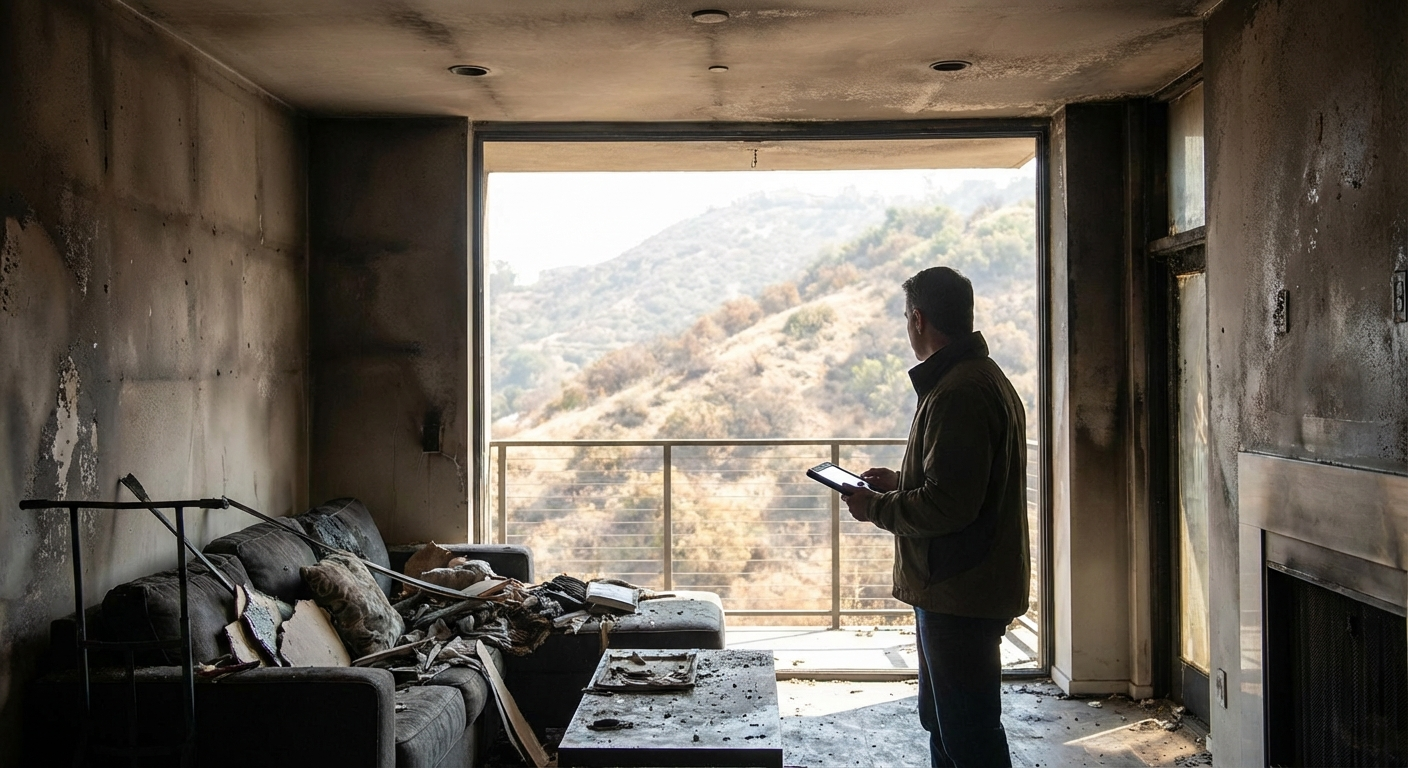
Why Your HO-6 Policy Is Non-Negotiable
Your personal condo insurance policy, known as an HO-6, steps in where the master policy leaves off. It’s designed to protect what’s inside your four walls and your personal liability.
After a fire, your HO-6 policy typically covers:
* **Your Personal Property:** All your belongings – furniture, clothes, electronics, artwork, kitchenware. If a fire destroys your sofa in your condo in Irvine, your HO-6 pays to replace it.
* **Unit Improvements and Betterments:** This is especially important with “Bare Walls-In” or “Single Entity” master policies. Your HO-6 covers the cost to rebuild or repair the interior finishes and fixtures you own, or those that exceed the “standard” covered by the HOA. This includes drywall, paint, flooring, cabinets, built-in shelving, light fixtures – everything that makes your condo *yours*.
* **Loss of Use (Additional Living Expenses):** If a fire makes your condo unlivable, where do you go? Your HO-6 can pay for temporary housing, food, and other increased living expenses while your unit is being repaired. This could mean weeks or even months in a hotel or rental, and those costs add up fast.
* **Personal Liability:** If a fire starts in your unit due to your negligence – maybe a forgotten candle – and damages a neighbor’s unit or common areas, your HO-6 can cover the legal costs and damages you’re responsible for. That’s a big deal.
* **Loss Assessment Coverage:** This is a sleeper hit, but it’s incredibly important. If a fire causes damage that exceeds the master policy’s limits, or if the HOA has a large deductible they can’t cover, the HOA can “assess” each unit owner for their share of the shortfall. Your HO-6 policy can pay for these assessments, up to your coverage limit. We’ve seen assessments in the tens of thousands of dollars after major fires.
California’s Fiery Reality: What it Means for Your Rates
California’s wildfire problem isn’t going away. It’s getting worse. From the devastating fires in Paradise to the recent blazes tearing through the Santa Cruz Mountains and the foothills of the Sierra Nevada, the risk is palpable. Even areas like the Valley or parts of the Inland Empire, once considered low risk, now face new threats from grass fires or ember storms.
This increased risk has had a direct, painful impact on the insurance market. Premiums for condo insurance have jumped significantly – sometimes 30%, 40%, even 50% or more in just a couple of years, especially in higher-risk areas. Some major insurers like State Farm, Farmers, and AAA have pulled back from writing new policies or stopped renewing existing ones in certain zip codes altogether.
This isn’t just about direct wildfire zones. It’s about the ripple effect. If a condo building is near a brush area, or even if it’s just in a county that’s seen a lot of fires, insurers get nervous. They’re looking at the overall risk picture for California, not just your specific address.
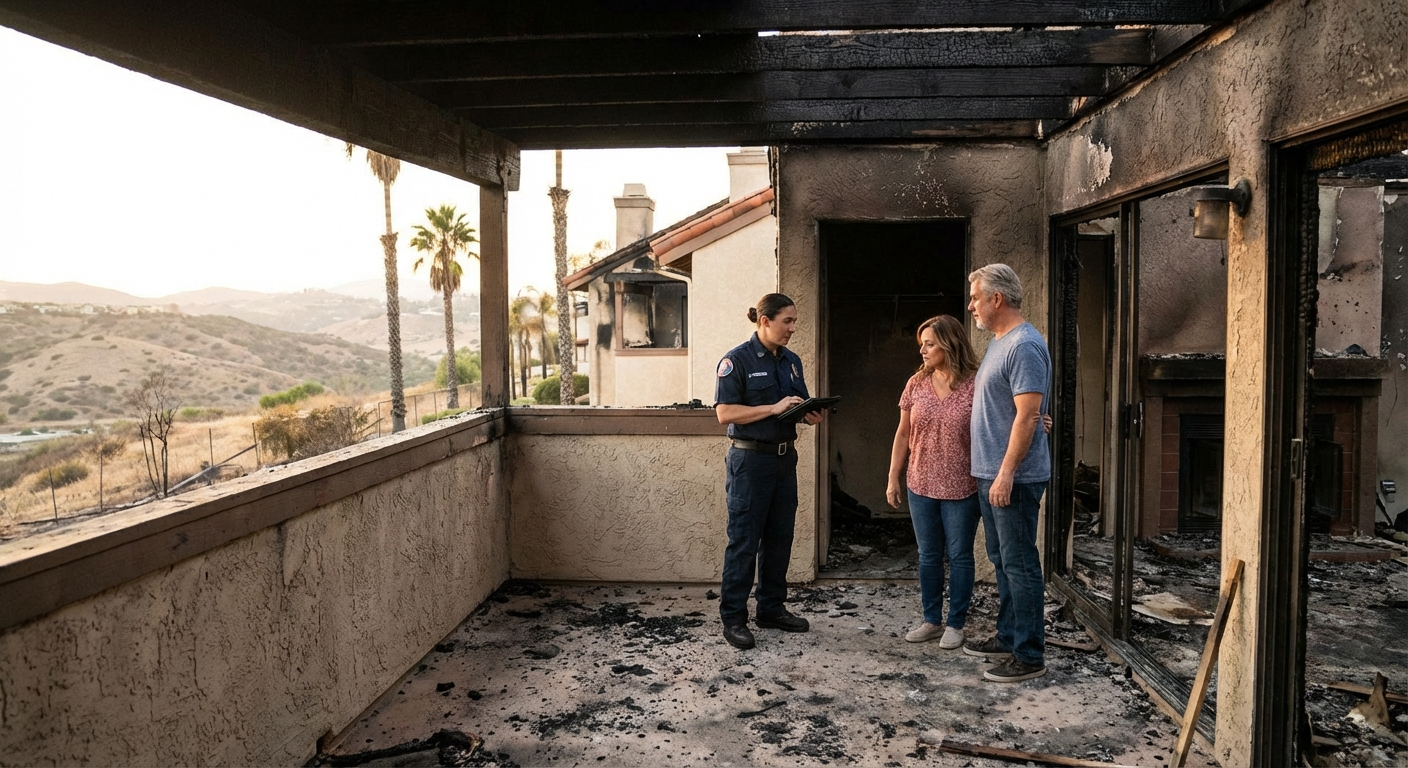
When Insurers Say No: The FAIR Plan
When traditional insurers won’t offer coverage, California has a safety net: the FAIR Plan. It’s an “insurer of last resort” for properties that can’t get coverage in the voluntary market. The good news is it provides basic fire coverage. The bad news? It’s often more expensive and less comprehensive than a standard HO-6 policy.
A FAIR Plan policy typically only covers damage from fire, lightning, and internal explosions. It won’t cover things like theft, water damage, or personal liability. So, if you’re on the FAIR Plan for fire, you absolutely need a “Difference in Conditions” (DIC) policy from another insurer to fill in those gaps. This means you’re buying two policies instead of one, which can be a hassle and often more expensive.
Getting the Right Coverage: It’s Not a DIY Project
Honestly, navigating condo insurance in California right now is complex. It’s not like buying car insurance online in five minutes. You’re dealing with master policies, HO-6 policies, loss assessments, rising rates, and a shrinking market. Trying to figure it all out yourself could leave you dangerously underinsured after a fire.
This is where an independent insurance agent becomes invaluable. Someone who understands the nuances of California’s market, who knows the different types of master policies, and who can help you find an HO-6 policy that truly protects you.
Karl Susman of California Condo Insurance Quotes, CA License #OB75129, has been helping Californians with their insurance for years. He and his team know the ins and outs of condo coverage, especially with the current fire challenges. They can review your HOA’s master policy documents – you’ll need to get those from your HOA – and help you tailor an HO-6 policy that complements it perfectly. This prevents gaps in coverage that could cost you hundreds of thousands of dollars.
Don’t wait until smoke is in the air. Get an expert review of your current policy or explore your options.
It’s time to make sure your condo and everything in it is properly protected. You can start the process right now by visiting californiacondoinsurancequotes.com/quote/.
What to Do Next
First, get a copy of your HOA’s master insurance policy and declarations page. Read it. Understand it. If you don’t, that’s okay – that’s what an agent is for.
Next, take a detailed inventory of your belongings. Photos, videos, receipts – anything that proves what you own and its value. Store this off-site or in the cloud. After a fire, your memory will be the last thing you can rely on.
Finally, talk to an expert. Don’t assume your current policy is enough, especially if you haven’t reviewed it in the last year or two. The market has changed dramatically.
Think about it: Your condo is likely one of your biggest assets. Protecting it from fire, especially in California, demands more than a quick online quote. It demands expertise.
For personalized guidance on your California condo insurance, call Karl Susman and his team at California Condo Insurance Quotes at (877) 411-5200. They’re ready to help you understand your options and secure the right protection. Or, if you prefer, you can get started online right now: californiacondoinsurancequotes.com/quote/.
Frequently Asked Questions About California Condo Fire Insurance
What if my HOA’s master policy has a high deductible?
Many master policies now carry deductibles of $10,000, $25,000, or even higher, especially for fire claims. If a fire damages your unit and the HOA decides to assess unit owners for their share of that deductible, your HO-6 policy’s “Loss Assessment” coverage can often step in to pay your portion, up to your policy’s limit. Without this coverage, you’d be paying out of pocket.
Does my HO-6 policy cover smoke damage, not just direct fire?
Yes, typically. Most standard HO-6 policies cover damage caused by smoke, soot, and ash resulting from a covered fire. This can include cleaning costs for walls, furniture, and personal belongings, or replacement if cleaning isn’t enough. It’s important to understand the extent of this coverage.
My condo is in a “low-risk” fire area. Do I still need robust fire coverage?
Absolutely. While wildfire risk gets a lot of attention, internal fires are always a possibility. A kitchen fire, an electrical issue, or even a fire starting in a neighbor’s unit can quickly spread. Plus, “low-risk” areas in California are becoming harder to define. Ember storms can travel miles, and even urban areas can experience significant fire events. Your HO-6 is your protection against all types of fire damage, regardless of proximity to wildlands.
Can I get a discount for fire-resistant upgrades to my condo?
Sometimes. If your HOA has made significant fire-resistant upgrades to the building, or if your individual unit has specific features like fire-resistant roofing materials (if applicable to your unit type) or a sprinkler system, some insurers might offer a discount. It’s always worth discussing any protective features with your insurance agent, as they can help you find carriers that reward these efforts.
This article is for informational purposes only and does not constitute financial advice.
Karl Susman, California Condo Insurance Quotes, CA License #OB75129
Phone: (877) 411-5200